
PLANNING SUCCESSFUL RETREATS
Selling out a retreat requires a mix of strategic planning and targeted marketing. The retreat planning process can be overwhelming but focusing on a few key areas will increase the appeal of your retreat.
In our experience from working with retreat leaders and planning our own Signature Retreats, we have noticed consistent trends in guest preferences and the factors which make a retreat successful.
Destination
When selecting a potential destination, you should make sure it’s:
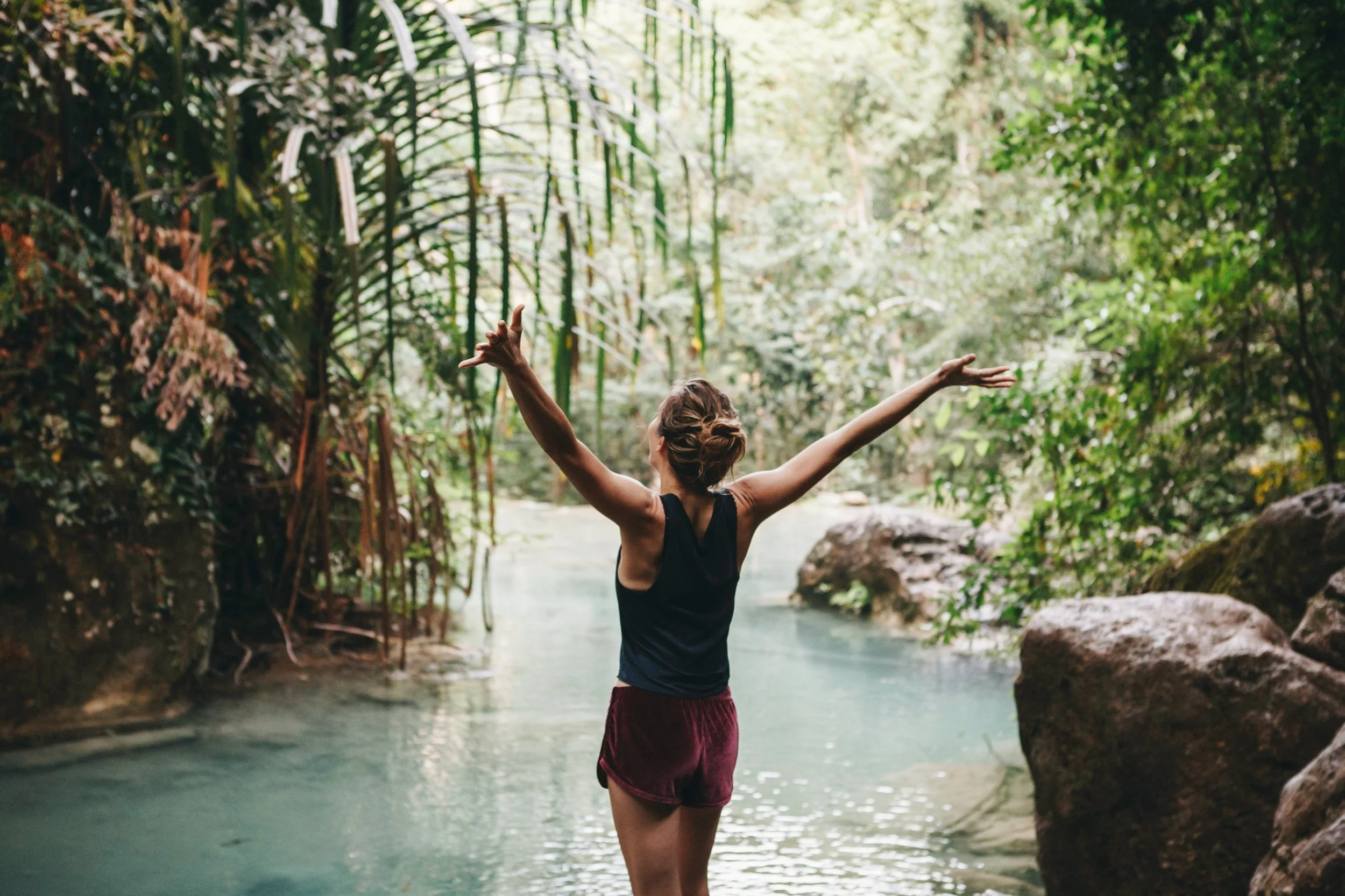
Unique – Guests are more likely to select a retreat destination they haven’t been to before and/or wouldn’t be comfortable travelling to on their own. We recommend choosing places that are unique instead of popular tourist destinations.
Safe – The majority of guests are women and they want to feel safe traveling to and around the retreat venue, especially if they are on their own. It’s important to carefully research your potential destination and check government websites for any travel advisories. The Government of Canada site contains the latest travel guidance and advisories. In addition, ensure adequate medical facilities are easily accessible in the event of a medical emergency. This is particularly important if your clients are older.
Easy to Get To – Destinations that are easy to get to will increase the appeal of your retreat. In general, guests prefer:
Direct Flights – If non-stop flights aren’t available, make sure there are flights options with a maximum of 1-stop. Layover times should ideally be greater than 2-hours to ensure adequate connection time but less than 5-hours as guests don’t want to waste their vacation time sitting in airport. Flights should also be reasonably priced (not more than the cost of the retreat).
Pre-Arranged Transfers to Retreat Venues – If the retreat venue is far from the airport and/or cannot be easily reached by a taxi, we recommend including round-trip group transfers to the retreat venue in your price. Be sure to include transfer departure times so guests or their travel advisors can book appropriate flights.
Minimal Entry Requirements – Destinations that require just a passport are more desirable. If additional travel documentation is required like visas, this may deter guests. You can refer to the following website to check entry requirements for your destination.
Accommodations
Accommodations that have the following characteristics will improve the success of your retreat:
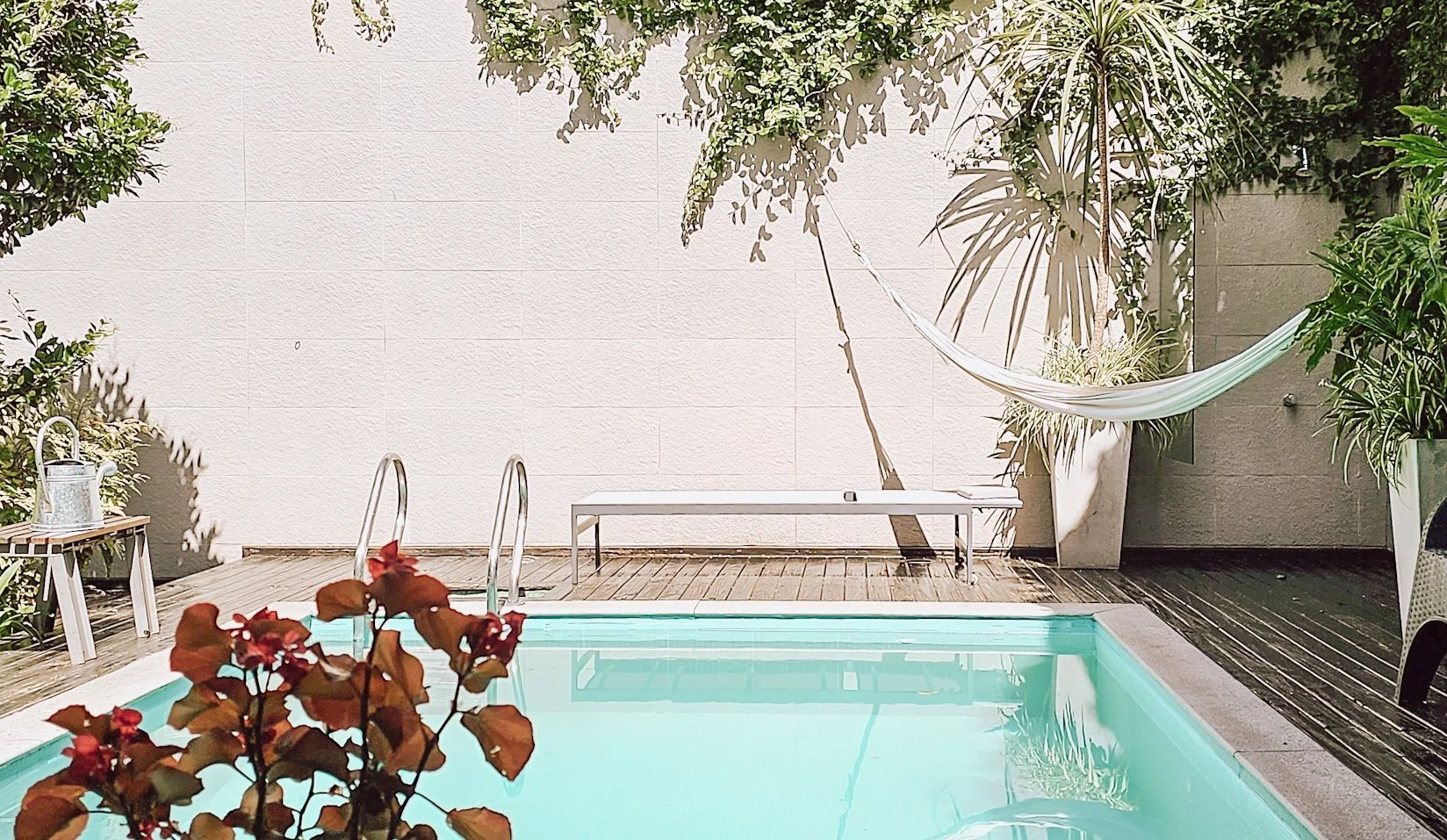
Unique & Memorable – People go on retreats to escape. Selecting a retreat venue that is in a unique setting, has great views, and comes a variety of amenities like a pool, spa, and lounging areas, will increase the appeal of your retreat.
Comfortable – People want to be comfortable on their holiday. If you are hosting a retreat in a tropical destination, choose accommodations that have air-conditioning or a fan. Other considerations include; stable Wi-Fi, good plumbing (reliable hot water and toilets that flush properly), netting around beds if there are mosquitos and other insects, and on-site support to help guests with questions, their luggage, or anything else that comes up.
Rooms with Private Bathrooms – Most guests prefer rooms with private bathrooms and will pay extra for this. If private bathrooms aren’t an option, we recommend no more than 2-people share a bathroom. Having to share a bathroom with more than one guest will make your retreat less appealing.
Private Rooms for Solo Travelers – Solo travel is on the rise and private rooms are in demand. Try to select a retreat venue that offers single occupancy rooms. If you aren’t able to offer private rooms, consider facilitating a “match option” where solo travelers can be paired up and share room.
No More Than Two Guests per Room – Most clients in their late 20s or older prefer sharing a room and bathroom with no more than one other person. Guests are less likely to join a retreat if they have to share a room with more than one person. An exception would be guests traveling with friends who may be willing or prefer to share a room with more than one person.
Consider visiting the retreat venue and conducting a site visit prior to your retreat to educate yourself about the venue and make sure it fits your needs. Potential guests may have questions about the accommodations and will be more comfortable joining a retreat if they know you’ve personally vetted the property. A site visit will also give you the opportunity to take photos for your retreat advertisements.
Enhanced VALUE
Increase your registrations by including additional offerings in your retreat like:
Cultural Experiences – Yoga and other wellness retreats that incorporate cultural experiences such as a cooking class or local tour are usually more appealing to guests seeking a more holistic journey.
Activities – Travelers join retreats for the primary offering (i.e. yoga), however, a week of just yoga and down time may be less appealing to guests who are more active. In order to cater to a wider range of interests, consider including some optional group or individual activities for an additional cost. These activities may include spa treatments, surf lessons, or guided hikes. We have also seen hosts partner with a co-host who can offer complimentary experiences while simultaneously expanding market reach.
Retreat Duration
Consider the following when deciding on the length of your retreat:
Longer – Retreats that are 7-days or more may attract guests who are older and semi-retired /retired as they have more free time. Longer retreats are also more appealing if the destination is far from home. As a general rule, the farther away your retreat is, the longer it should be so guests feel like they’ve spent a good amount of time at a destination after factoring in travel time.
Shorter – Retreats lasting 7-days or less may be more popular with younger guests who work full-time and have a fixed amount of vacation time and those with families who are looking for a quick getaway. A shorter retreat is best for locations that are closer to home.
Retreat Pricing & Marketing
To improve your chances of your retreat selling out, consider the following:
Photos Photos & More Photos – The accommodations for your retreat will be one of the most important factors that influences whether a guest will join a retreat. Always include a website link to the retreat venue and include lots of photos of the rooms, practice space, views, and common areas in your marketing materials. Guests who can’t picture where they’ll sleep and spend time are less likely to commit. If you don’t have high quality photos, most accommodation providers can provide you with professional photos.
Pricing – Try to offer a few different price/accommodation options so it will appeal to a wider audience. Lower, more budget-friendly prices don’t necessarily attract more people. Since the pandemic, more and more travelers are willing to pay for experiential travel experiences. Some of our most popular retreats are the most expensive but also include more luxurious accommodations and additional experiences/activities.
Make it Easy – The less work a potential guest has to do to book a retreat, the more likely they are to commit. Include a registration page with your advertisement and a Q&A section that provides other useful information related to the retreat and destination like a sample daily itinerary, food options, amenities, weather, etc.
There is no foolproof formula for planning a successful retreat, and there are many other things to consider, but following the above suggestions will be a good starting point.
If you are a retreat leader residing in Ontario, make sure your retreat complies with TICO regulations for Special Interest Travel. For any questions, or if you’re potentially interested in partnering with Movement Travel, please contact us.